
ASM Combustion Engines
内燃エンジン向けのリアルタイムシミュレーションモデル
ASMエンジンモデルは、エンジンおよび排気ガス後処理用ECUの開発およびテストに最適です。これらのモデルは、ECU制御システムなど必要なすべてのコンポーネントを含む、内燃エンジンをシミュレートします。各種インジェクションシステムおよび排気ガス後処理システムを備えたディーゼルエンジンおよびガソリンエンジン用モデルがあります。平均有効圧モデルまたは物理精度モデルを使用してリアルタイムシミュレーションを実行することができます。
-
ModelDesk Processing
ASM Parameterizationの後継としてModelDeskの処理をサポート
-
Modeling the future
内燃エンジンの排気動作に関する新たな要件を満たすためには、そのための開発環境やテスト環境も継続的に構築してゆく必要があります。Weichai社では、新世代のエンジン開発に対応するため、dSPACE Automotive Simulation ModelsとdSPACE SYNECTを使用しています。
-
A Moving Variety
市場に提供される商用車は多種多様です。SCANIA社でも、無数の車両タイプやモジュール型の車両構成を取り扱っています。また、一般的な電子制御ユニット(ECU)システムにも多数のバリアントがあります。SCANIA社の新しいテストラボでは、このようなECUシステムの信頼性のある検証方法を紹介しています。 -
Top Performer
1つ確実なことは、大型の高性能ガスエンジンを適正な発電機で始動できれば、最大4,500 kWの電力で最善の動力を現場で供給することができ、エネルギーや熱の安定的な利用ができるということです。Caterpillar Energy Solutions社は、まったく新しい制御方式を開発することにより、効率性、機動性、および保守性に優れた未来の発電所を実現しています。
-
Virtual Winter Tests
今日、自動車は数多くの徹底的なテストを経て初めて製品化されます。テスト車両だけでは、複雑な電子制御ユニット(ECU)の検証を行うには十分とは言えません。こうした作業はシミュレーションモデルを使用して実施され、それによりECU開発はバーチャルビークルを使用した仮想環境におけるテスト段階へと移行します。dSPACEシミュレーションモデルがこの課題にどのように対処しているかを、dSPACEのモデリンググループを統括しているDr. Hagen Hauptが説明します。
- オープンなMATLAB ® /Simulink ® モデル
- ECUテストおよび機能開発向け
- ModelDeskでの直観的でグラフィカルなパラメータ設定
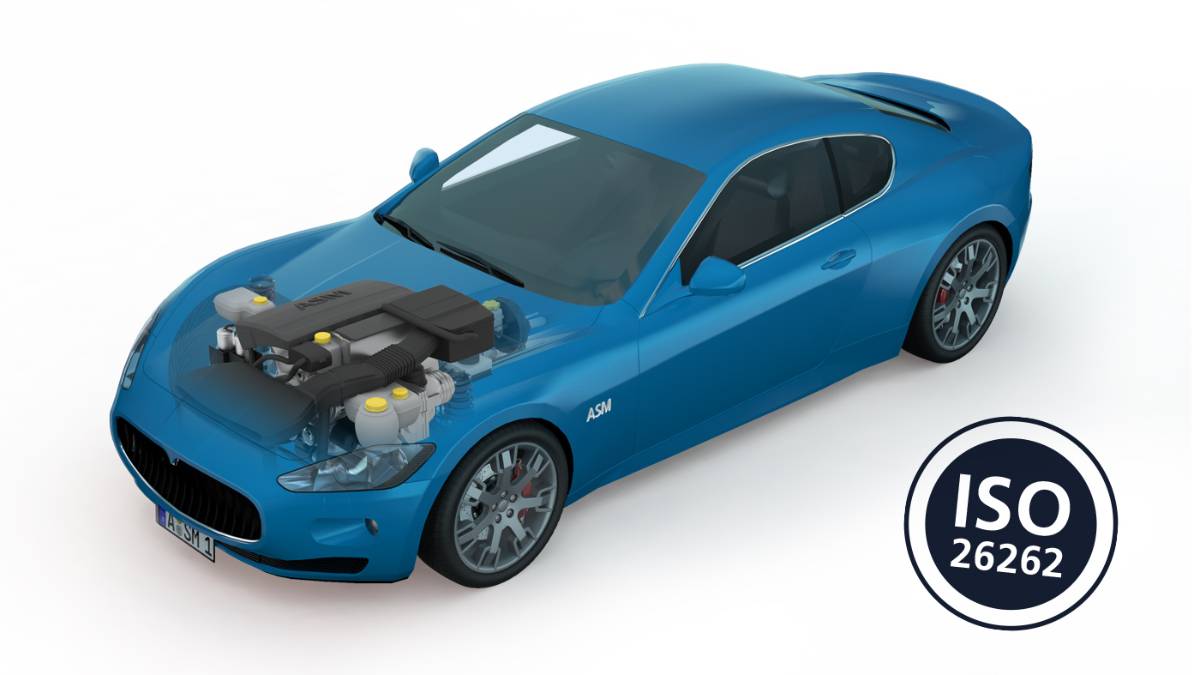
エンジンECU開発用のモデルです。
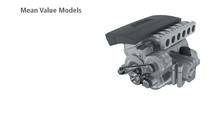
平均有効圧モデルを使用して内燃エンジンをリアルタイムでシミュレートし、回転角度に依存する気筒を状態変数で計算します
このツールは安全関連の開発プロジェクトでの使用に適していて、すべての自動車安全度水準(ASIL)に対応し、ISO 26262:2018規格に準拠することができます。
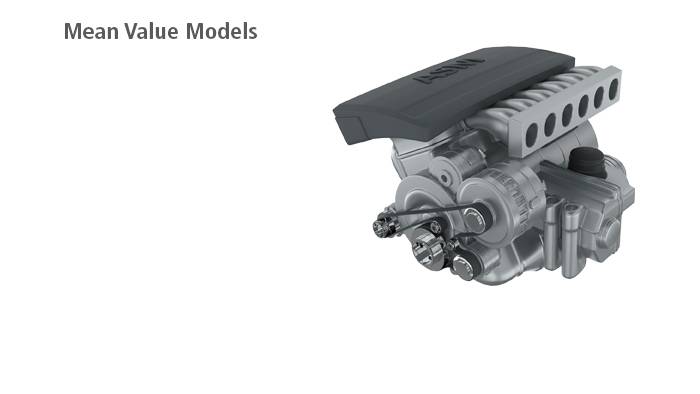
平均有効圧モデル
メリット
平均有効圧モデルは、優れたリアルタイム性を備えており、通常のエンジン制御に有効な信号を供給するのに十分な精度を持っています。これにより、ECUの機能および診断機能を検証することが可能です。
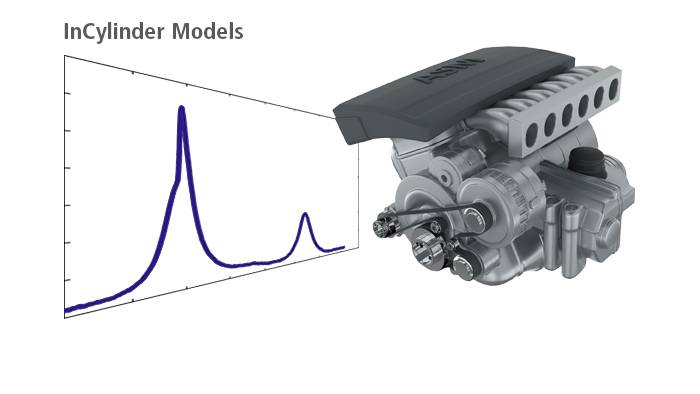
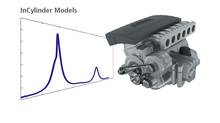
筒内圧モデル
筒内圧モデルは、内燃エンジンの状態変数を各時間ステップでクランク角に同期することにより、一貫性のあるシミュレーションを行います。筒内圧モデルを使用したリアルタイムコンピュータ上では、気筒内の熱力学的プロセスや吸気および排気バルブを通るガス流量をクランクシャフトの回転に同期することにより、計算が行われます。
メリット
筒内圧モデルを使用して得られるシミュレーションの品質は非常に高くなります。筒内圧モデルでは、各シリンダでの燃焼およびガス交換プロセスの効果をクランク角に同期して表示することができます。筒内圧モデルは、筒内圧を評価し、各吸気/排気バルブのタイミングとリフト量を個別に制御するECUにおいても必要になります。
| 特長 | Gasoline Basic | Gasoline | Diesel | InCylinder Gasoline | InCylinder Diesel |
|---|---|---|---|---|---|
| 気筒数 | 制限なし | 20 | 20 | 12 | 12 |
| EGR | – | Yes | Yes | Yes | Yes |
| マップベースのターボチャージャ | Yes | Yes | Yes | Yes | Yes |
| 物理ターボチャージャ | – | Yes | Yes | Yes | Yes |
| コモンレールシステム | – | Yes | Yes | Yes | Yes |
| ポンプノズル | – | – | Yes | – | – |
| 燃料噴射 | 吸気マニホールド | 直噴、吸気マニホールド | 直噴 | 直噴、吸気マニホールド | 直噴 |
| 液膜の気化 | Yes | Yes | – | – | – |
| 燃焼モード | 均一混合燃焼 | 均一混合燃焼、成層燃焼 | 拡散燃焼 | 均一混合燃焼 | 拡散燃焼 |
| 排気システム | 基本バージョン | 基本バージョン | DPF、DOC 1) | 基本バージョン | DPF、DOC 1) |
| ソフトECU、エンジン | Yes | あり 2) | あり 2) | あり 2) | あり 2) |
| 燃焼シミュレーション | 平均値 | 平均値 | 平均値 | 特性 | 特性 |
| バルブシミュレーション | 平均値 | 平均値 | 平均値 | 特性 | 特性 |
ASM Engine Models
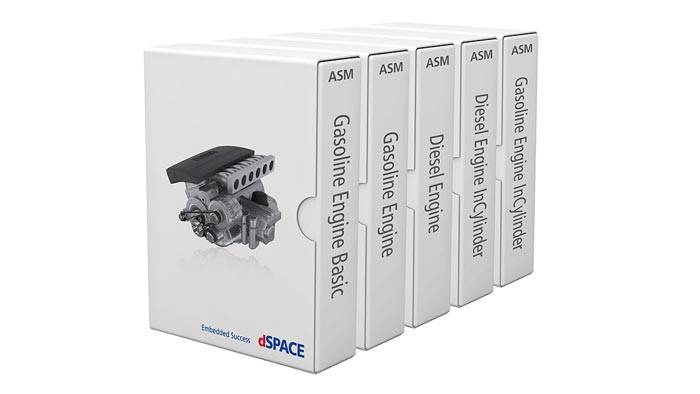
平均有効圧モデルおよび筒内圧モデルの概要です。
ASM Gasoline Engineは、トルクの変動および排気ガスシステムを含む平均有効圧エンジンモデルです。
ASM Diesel EngineASM Diesel Engineは、トルクの変動および排気ガスシステムを含む平均有効圧エンジンモデルです。
ASM Gasoline Engine InCylinderASM Gasoline Engine InCylinderは、筒内圧力および温度のシミュレーションが可能なリアルタイム対応ガソリンエンジンモデルです。
ASM Diesel Engine InCylinderASM Diesel Engine InCylinderは、筒内圧力および温度のシミュレーションが可能なリアルタイム対応ディーゼルエンジンモデルです。
-
- オンライン表示
- ダウンロード
最新の技術開発動向をつかんで、イノベーションを加速。
メールマガジンの購読希望・変更/配信停止手続き