
Easy real-time simulation of power electronics circuits at the signal level

Real-Time Capability
Gives Simscape Electrical™ models the ability to run in real time

Low-Latency Simulation
Down to a simulation step size of 224 ns using FPGAs

Handling of Large Topologies
High-performance simulation thanks to multi-FPGA and multiprocessor support

Ease of Use
Use the power of FPGAs without any FPGA knowledge
What is the Electrical Power Systems Simulation Package?
The Electrical Power Systems Simulation (EPSS) Package is a simulation solution for Simscape Electrical™ (Specialized Power Systems). It adds the capability of real-time calculation and simulation to electrical models developed in Simscape Electrical™.
This provides an ideal development environment for testing electrical systems. To make the Simscape Electrical™ models real-time-capable, the package includes two different options:
- For switching frequencies of up to 20 kHz, it is recommended to compute the real-time application on a processor.
- Applications with higher switching frequencies require the use of FPGAs.
If your application reaches switching frequencies higher than 80 kHz, please contact us and we can provide you with an individual FPGA-based solution optimized to your needs.
Good to Know
Simscape Electrical™ (formerly SimPowerSystems™) is a Simulink® library from MathWorks® for the simulation of electrical circuits, especially of power electronics, based on a topology-oriented modeling method called physical modeling.
Specialized Power Systems lets you model electrical power systems using specialized components and algorithms.
They are both inherently unable to perform real-time calculations and require the dSPACE EPSS Package to run on a real-time machine.

Application Areas
The EPSS Package enables the integration of Simscape Electrical™ (Specialized Power Systems) models into a dSPACE hardware-in-the-loop (HIL) environment for testing dynamic electrical systems.
Typical applications for our FPGA-based approach include:
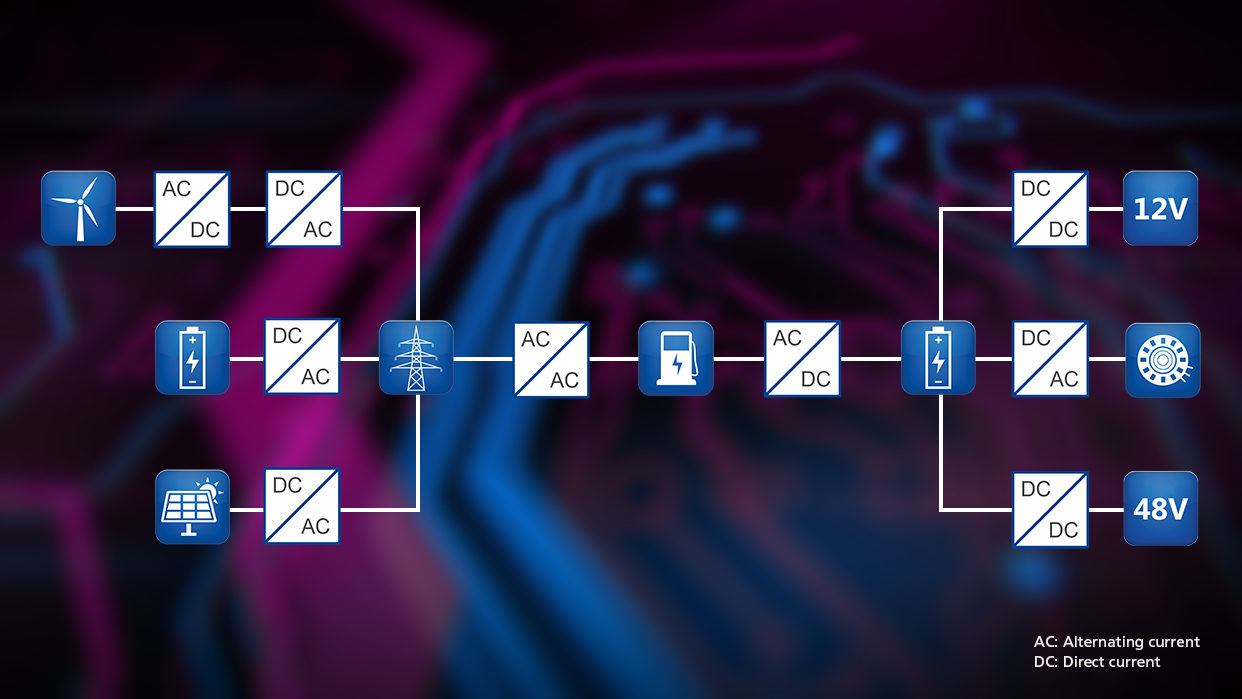
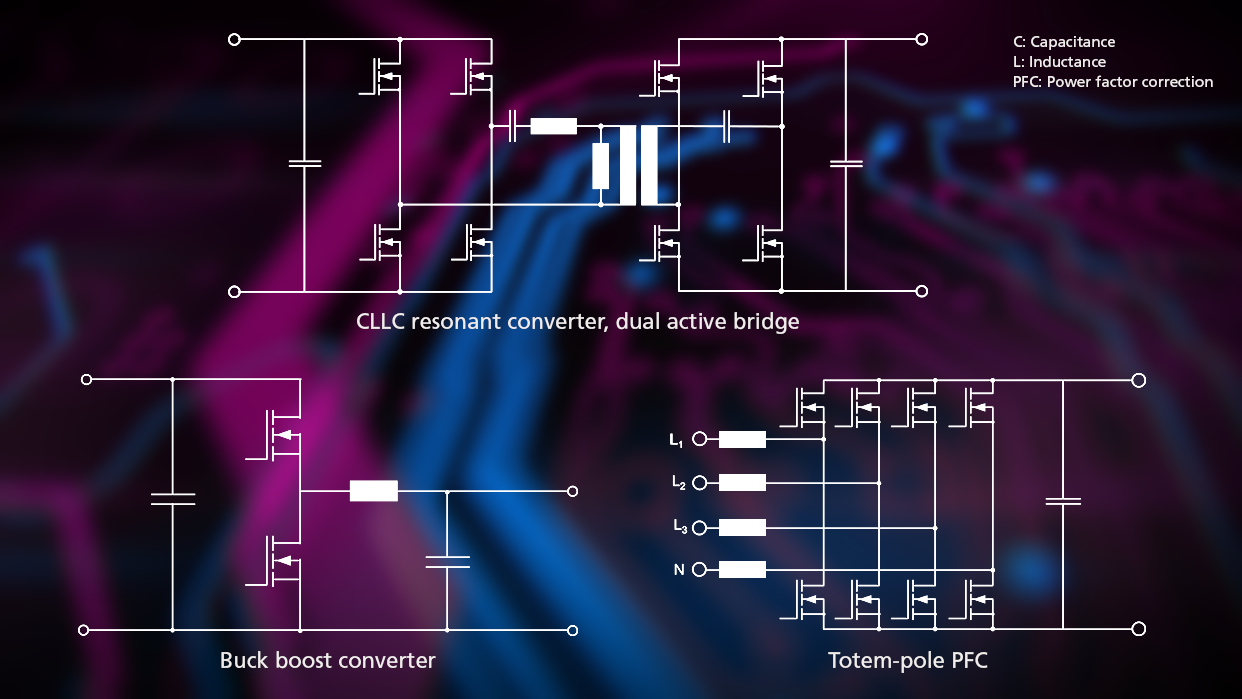
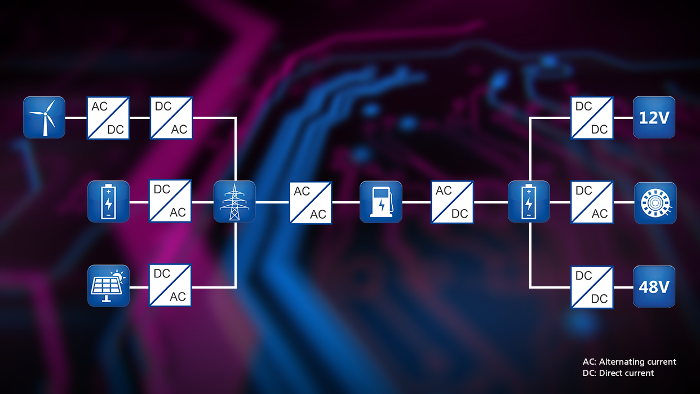
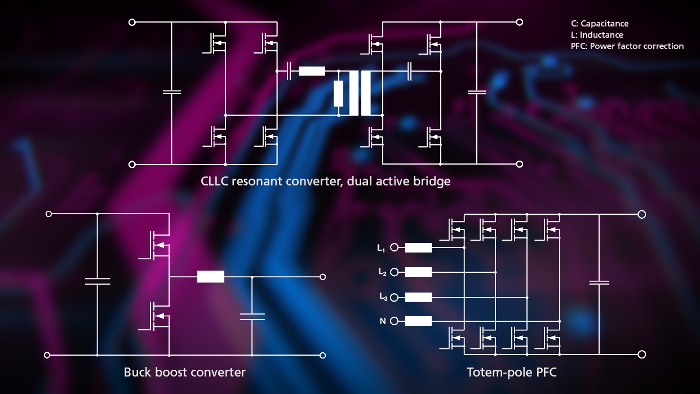
- Charging stations and onboard chargers
- DC/DC converters
Depending on the individual requirements, either the FPGA-based approach or our processor-based approach may be suitable for applications like these:
- Active rectifiers and industrial inverters
- Devices used in electrical grids
Key Benefits
The EPSS Package uniquely combines high simulation performance, fast model implementation, and real-time capability with convenient usability and a high degree of flexibility.
Complex or fast-switching power electronics circuits are your daily business? The EPSS Package comes with helpful features for handling large circuits and high-speed power converters. These features provide additional functionalities and help you optimize existing models to make them run in real time. For your convenience, the features are realized using Simulink function blocks created by dSPACE. You can simply use them like regular function blocks. Their integration and setup make it easy to get the most out of the models, even without expert knowledge:
- Model splitting helps separate large models into smaller submodels. This reduces the overall computation effort and simulation step sizes while enabling larger models to be simulated in real time.
- Diverse analysis tools let you analyze your models, including stability and FPGA capability. Using these tools, you can optimize your model to get the most out of your simulation.
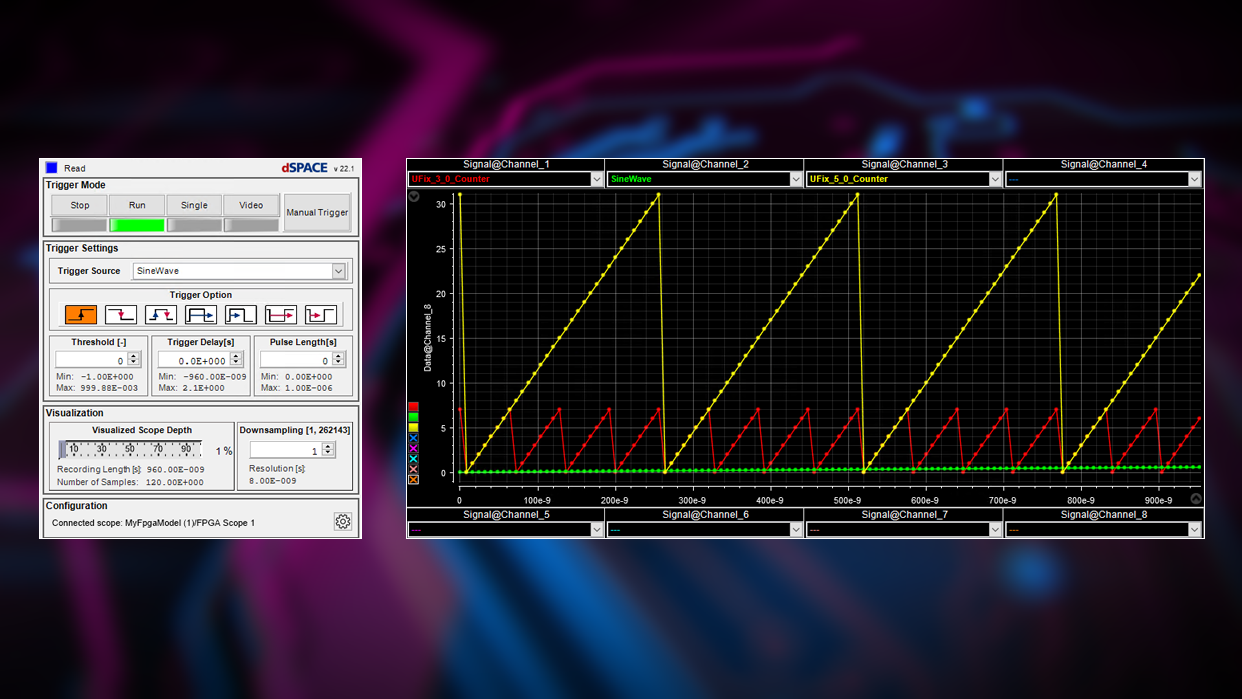
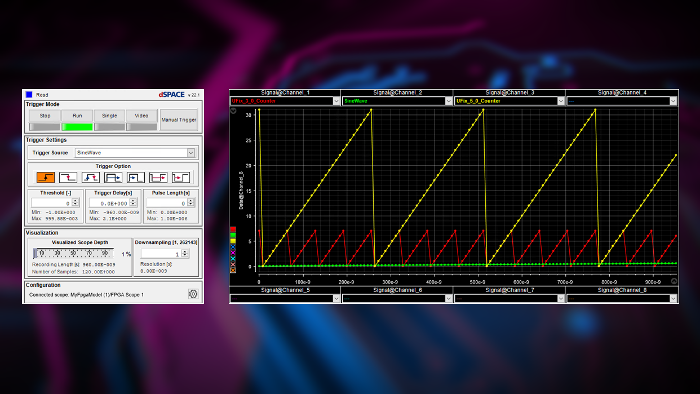
- The integrated scope function lets you easily capture high-frequency signals within the FPGA clock rate and instantly examine the behavior of the model on the FPGA – just as if you were using hardware oscilloscopes. Thanks to this, the measurements are much faster and more accurate when compared to capturing signals with a processor. The FPGA Scope instrument is available in our experiment and instrumentation software ControlDesk and lets you measure and display up to eight FPGA signals at run time.
- The package is seamlessly integrated into the dSPACE tool chain, offering the ability to interact with other dSPACE tools and products, such as XSG-based models or high-voltage load modules. This way, you can easily expand your existing HIL systems to meet new requirements.


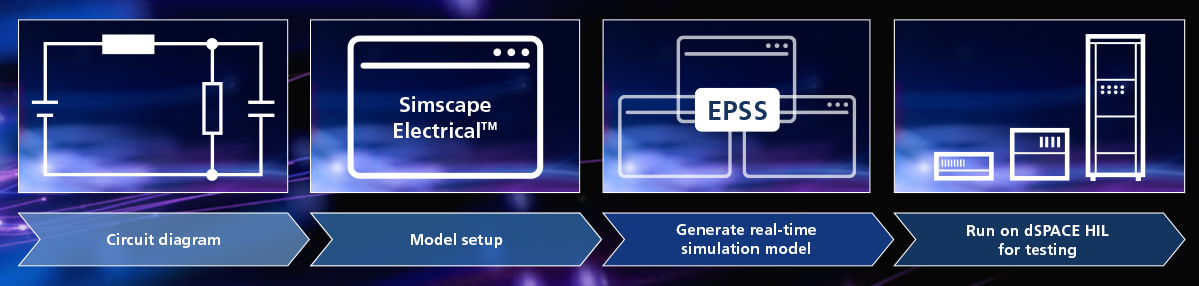
Simplified Workflow for Using the EPSS Package
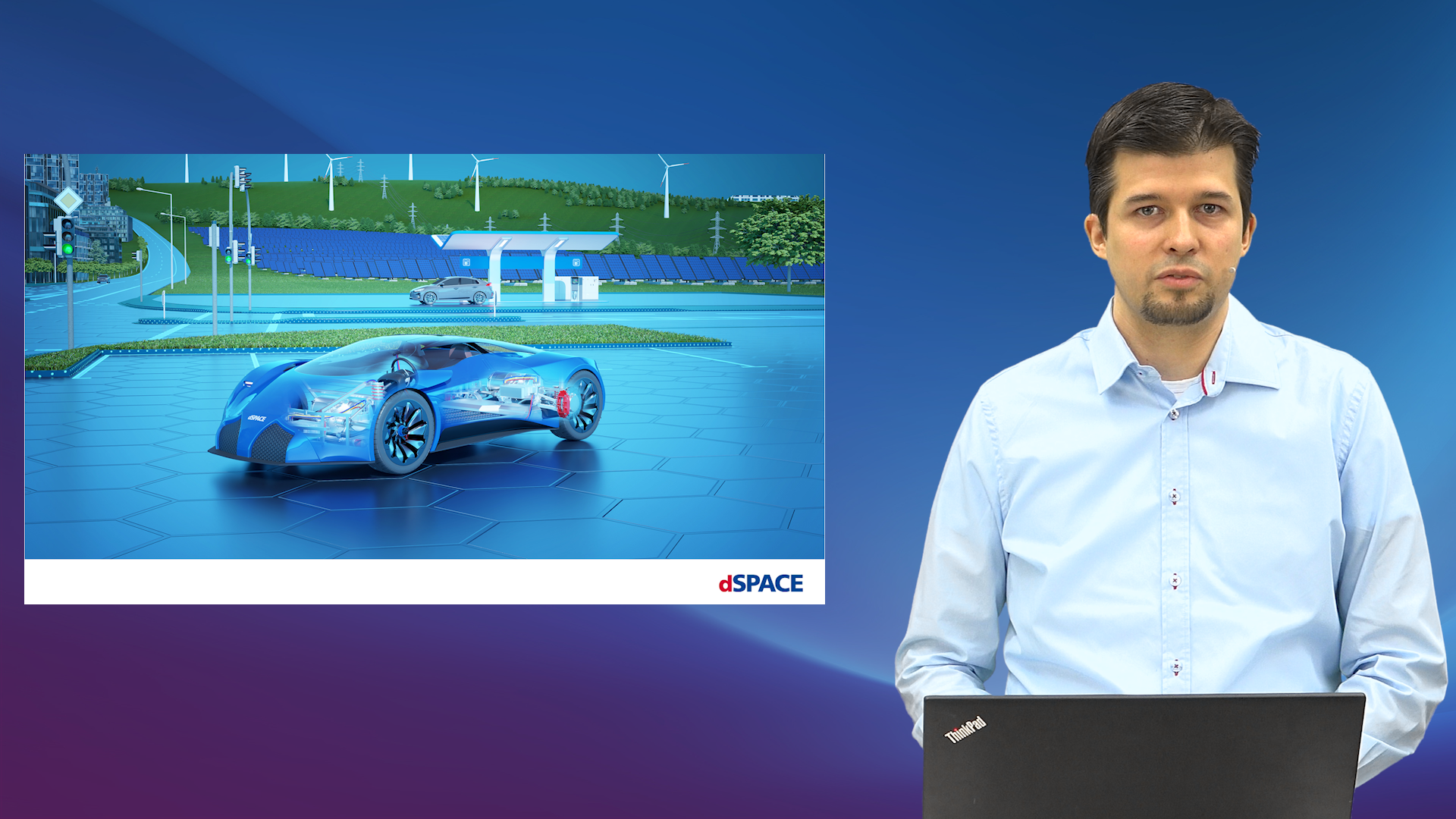
Create your perfect development and test environment for electrical systems in just a few steps:
- Set up your model directly from the circuit diagram in Simscape Electrical™ (Specialized Power Systems).
- Use the EPSS Package to make your model real-time-capable and to integrate it into a dSPACE HIL environment.
- Run your simulation and tests and keep track of the results.

FPGA-Based Approach
Low-latency simulation down to a simulation step size of 224 ns
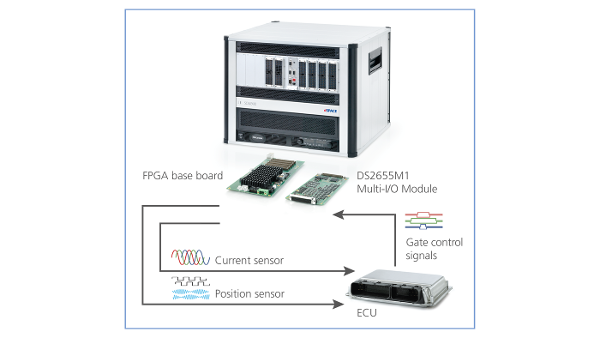
The FPGA-based approach involves a ready-to-use FPGA application which is configured according to the given Simscape Electrical™ (Specialized Power Systems) model. This achieves low-latency HIL simulation.
We offer preconfigured FPGA applications to enable easy integration. For you, this brings numerous advantages:
- No FPGA synthesis required
- No FPGA-specific knowledge necessary
- Automatic FPGA configuration within a few minutes
Functionality Overview
Functionality |
Description |
|---|---|
|
General |
|
|
Analysis |
|
|
Model splitting |
|
| Mode caching |
|
|
User interfaces |
|
|
Integrated scope function |
|
|
Inter-FPGA communication |
|
Required Products
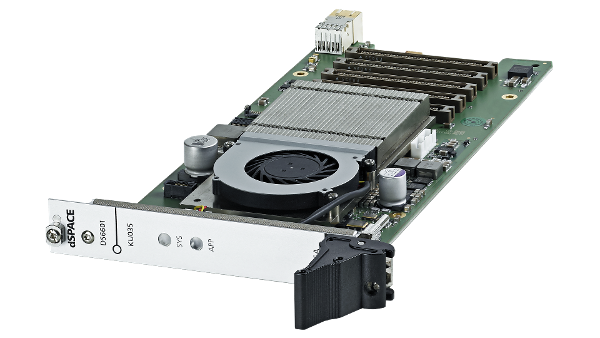
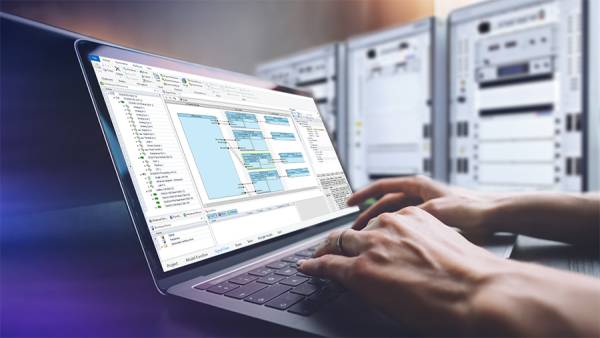
Optional Products
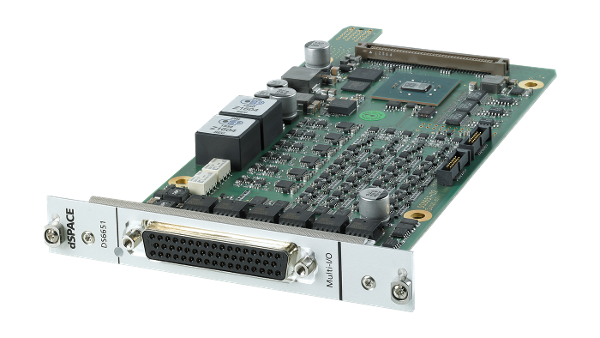
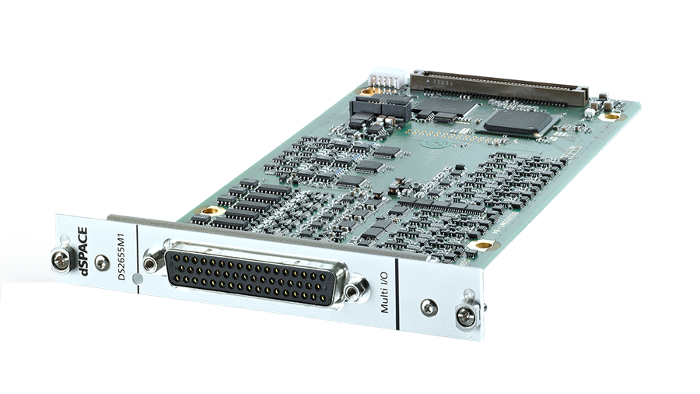

Processor-Based Approach
Mid-latency simulation down to a simulation step size of 15 μs
Using the processor-based approach, an extension library is available for modifying a Simscape Electrical™ (Specialized Power Systems) model to allow real-time-capable code generation on dSPACE real-time processors by means of Simulink Coder™.
For processor-based simulation, there are average models for different bridge circuits used in power electronics to assure precise simulation of power semiconductor switching devices.
Functionality Overview
Functionality |
Description |
|---|---|
|
General |
|
| Analysis |
|
| Task handling |
|
|
Model splitting |
|
| Mode caching |
|
Required Products
Optional Products

Multiprocessor and Multi-FPGA Features
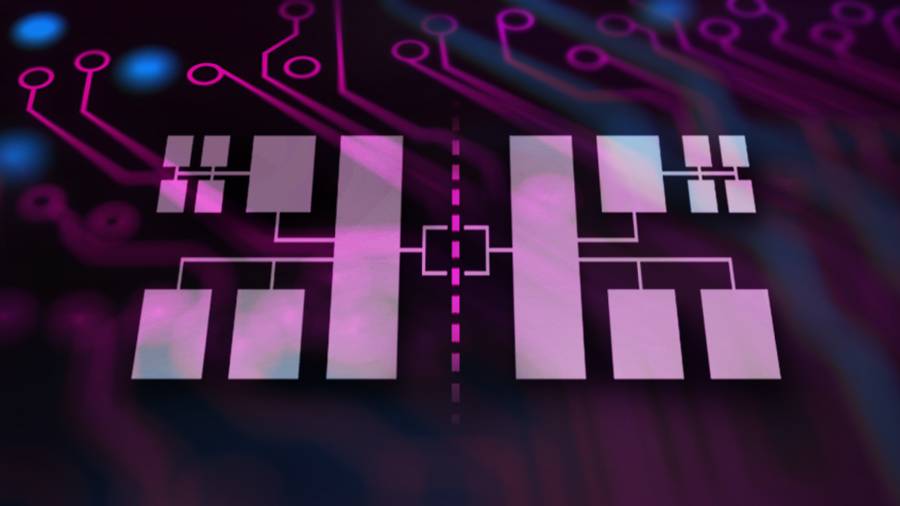
To facilitate the simulation of large and complex topologies, the EPSS Package contains most advanced multiprocessor and multi-FPGA features.
The tooling for semiautomatic model separation enables you to find a stable and most performant splitting position without expert knowledge. Therefore, you can easily set up multiprocessor and multi-FPGA systems by using the individual cores, processors, or several FPGA boards.
This feature can significantly speed up simulations by providing an option for parallel computing and a high-performance data exchange between individual simulation platforms. Moreover, you can assign the I/O boards and inter-FPGA connections by graphical programming.
What our customers say
We needed a tool which could model applications simply and quickly without the responsible engineer having to deal with FPGA programming. The EPSS Package from dSPACE was the best environment to ensure this.

The dSPACE Development Solution can be easily parameterized, configured, and automated for generic simulation. It lets us combine ABB custom models with the dSPACE EPSS FPGA Package for complete propulsion and auxiliary simulation.


EPSS Links
Links to detailed technical information, customer service, and purchasing. Access may require registration.