Cybersecurity Validation with Agentic AI
- Tests HIL
05:14min
Aperçu
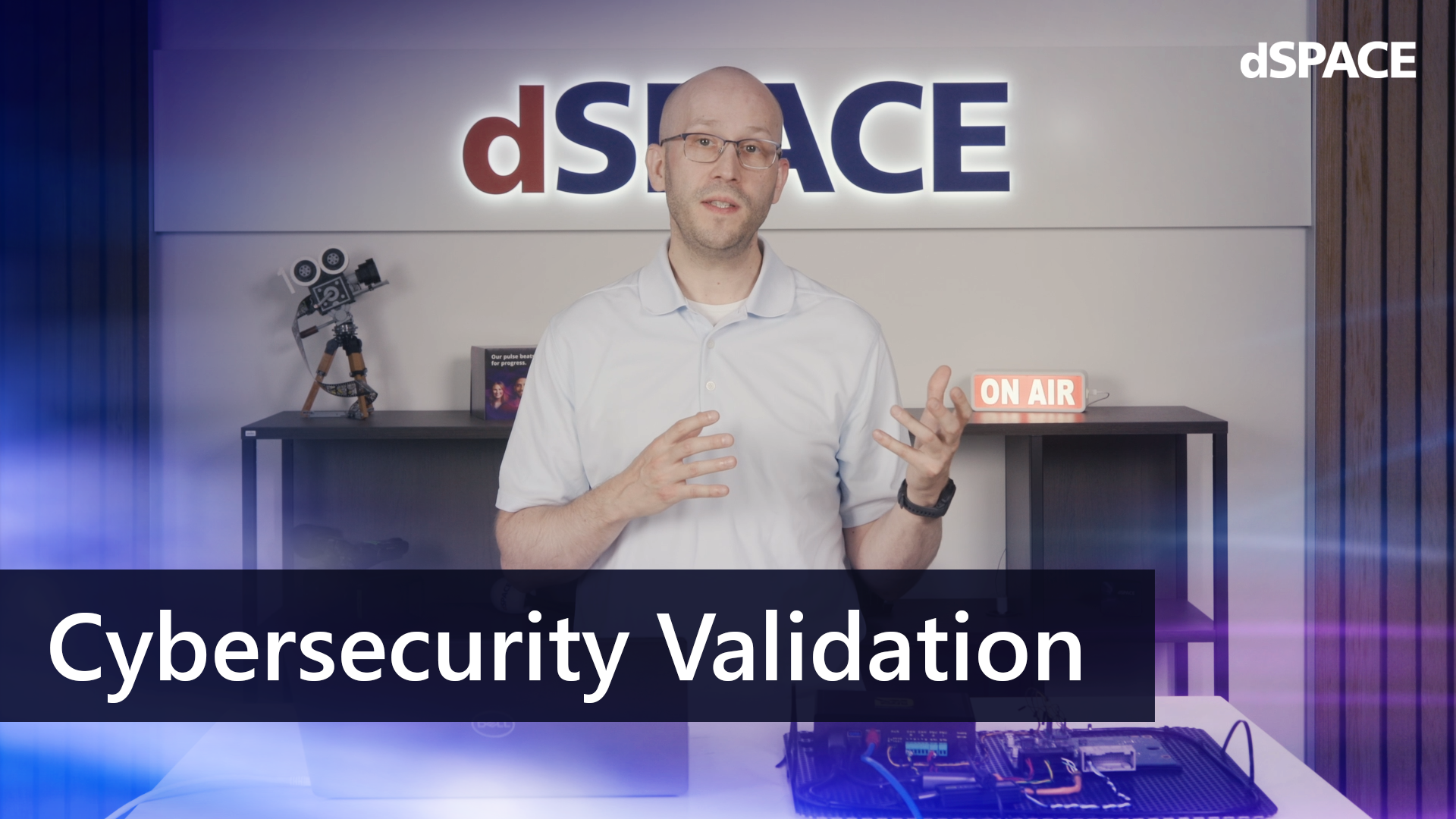
This video demonstrates how HydraVision combined with AI agents enhances cybersecurity validation across complex embedded systems. It addresses the challenge cybersecurity experts face when converting cybersecurity artifacts, such as Threat Analysis & Risk Assessment (TARA), Software Bill of Materials (SBOM), and field incidents and findings (SOC, VSOC) into executable tests. Through HydraVision’s Model Context Protocol (MCP) integration, AI agents can analyze documents, map risks to validation assets (test cases), execute tests, and review the resulting traceable evidence.
The demonstration shows a complete end-to-end workflow: from importing a TARA file and aligning it with HydraVision test assets to performing target-specific validation and automatically identifying vulnerabilities. Through deterministic execution, reusable test assets, and a library of 200+ ready-to-use test cases, HydraVision allows engineering teams to scale cybersecurity validation, ensuring compliance and efficient reuse across development stages, product variants, and lifecycle phases.
Hôtes

Dr. Matthias Pukrop
Product Engineer, Real-Time Test & Development Solutions, dSPACE GmbH
FAQ
Q1: How do AI agents support cybersecurity workflows in HydraVision?
A1: AI agents review security artifacts (TARA, SBOM, SOC/ VSOC), map risks to validation assets (test cases), orchestrate test execution and analyze the results, automating large parts of cybersecurity validation.
Q2: What is the advantage of using HydraVision with agentic AI?
A2: AI agents are used where they provide the most value: processing complex security information input and creating suitable validation assets which can then be used in HydraVision without additional token burn. The combination enables automated, deterministic, and reusable security testing that provides traceable evidence for audits and compliance.
Q3: Can existing HydraVision test assets be reused in AI-driven validation?
A3: Yes, once a test asset exists, it can be repeatedly executed across various systems without additional token burn, reducing engineering effort and ensuring consistency.
Q4: How does this approach improve traceability?
A4: By linking test results directly back to e.g. TARA risks and goals, engineers gain end-to-end visibility between security threats and executed validation evidence.
Q5: What kind of vulnerabilities can be detected?
A5: Examples include improperly protected diagnostics or unsecured programming modes, which may represent exploitable weaknesses in embedded systems

